
LVP vs. Laminate Flooring: Which Is Better for Toledo Homes?
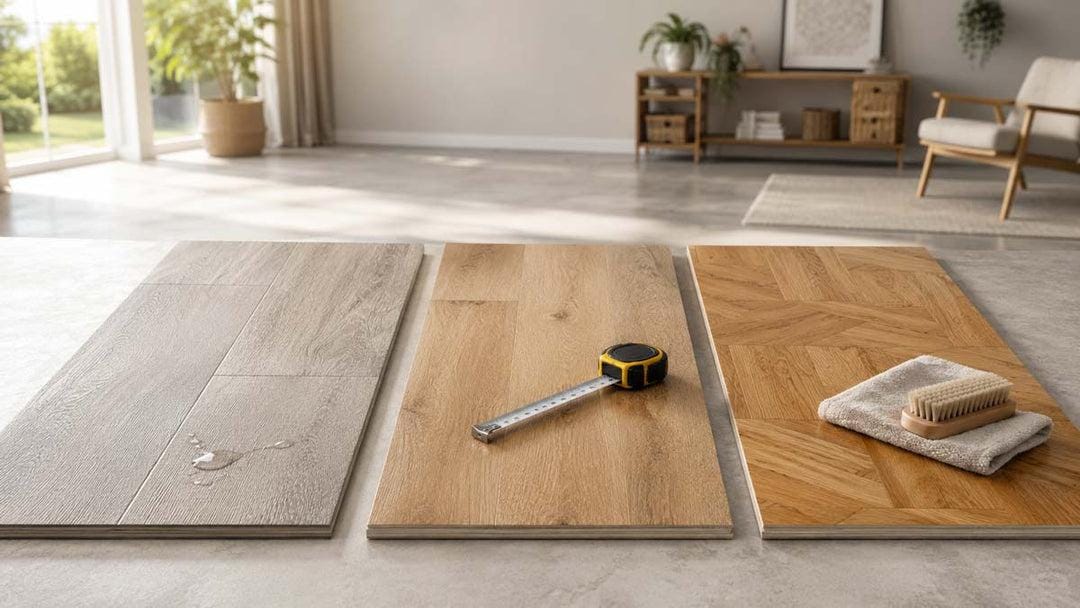
If you’re planning to replace your floors, two options are likely to appear near the top of your list: Luxury Vinyl Plank (LVP) and laminate flooring. Both can recreate the appearance of natural hardwood, come in a wide range of colors and textures, and offer alternatives to the cost and maintenance associated with traditional wood floors.
But which one is better for your home?
For homeowners in Toledo, Ohio, the decision involves more than appearance. Winter snow, road salt, wet footwear, pets, and everyday foot traffic can all influence how flooring performs. The right choice depends on where the floor will be installed, how much moisture it may encounter, and what you expect from your investment.
In this guide, we’ll compare LVP vs. laminate flooring in terms of water resistance, durability, comfort, maintenance, cost, and installation so you can choose the option that makes the most sense for your home.
What Is the Difference Between LVP and Laminate Flooring?
Although LVP and laminate can look remarkably similar, their construction is different.
What Is Luxury Vinyl Plank Flooring?
Luxury Vinyl Plank is a resilient flooring product designed to replicate the appearance of hardwood. It typically features a decorative design layer, a protective wear layer, and a vinyl-based core or layered construction.
LVP is available in many wood-look finishes, including oak, maple, walnut, and weathered wood styles. Some products have textured surfaces designed to resemble natural wood grain.
Many LVP products are water-resistant, and some are designed to be waterproof when installed according to the manufacturer’s specifications. This makes LVP a popular option for kitchens, entryways, laundry rooms, and other areas where spills or tracked-in moisture are concerns.
However, waterproof planks do not automatically make the entire floor assembly waterproof. Water can still reach the subfloor through edges, seams, or other openings, depending on the product and installation.
What Is Laminate Flooring?
Laminate flooring generally consists of a high-density fiberboard core, a decorative image layer, and a protective wear surface. These layers create the appearance of wood or other materials without using solid hardwood throughout the plank.
Modern laminate products can offer convincing wood textures, strong surface protection, and a comfortable feel underfoot. Some products also feature water-resistant treatments or waterproof construction.
The important distinction is that not all laminate flooring has the same moisture performance. Traditional laminate with a wood-based core can swell if water reaches vulnerable joints or remains on the surface for too long. Newer waterproof-rated products may offer improved protection, but their limitations and installation requirements still matter.
Always check the specific product’s warranty, water-exposure limitations, and installation instructions before purchasing.
LVP vs. Laminate: A Side-by-Side Comparison
Both flooring types can be excellent choices, but each has strengths worth considering.
| Feature | Luxury Vinyl Plank (LVP) | Laminate Flooring |
|---|---|---|
| Appearance | Realistic wood-look designs and textures | Realistic wood-look designs and textures |
| Water resistance | Many products offer strong water resistance; some are waterproof | Varies by product; some newer options offer waterproof protection |
| Scratch resistance | Depends on wear-layer quality and product construction | Often strong surface scratch and wear resistance |
| Comfort | Can feel slightly softer underfoot, depending on construction | Can feel firm and solid, depending on underlayment |
| Cleaning | Generally easy with approved cleaners | Generally easy with approved cleaners |
| Repair | Individual planks may be replaceable, depending on the installation | Individual planks may be replaceable, depending on the installation |
| Installation | Floating, glue-down, or other product-specific methods | Commonly floating click-lock installation |
| Best use | Areas where moisture resistance and easy maintenance are priorities | Dry living spaces where appearance and surface wear resistance are priorities |
These are general comparisons, not guarantees for every product. Product specifications, installation quality, and maintenance can significantly affect real-world performance.
Which Flooring Is Better for Toledo Winters?
Toledo homeowners know that winter weather can bring snow, slush, road salt, and moisture into the house. Entryways and mudrooms often experience the most exposure, but kitchens and hallways can also see frequent spills and wet footwear.
For these conditions, LVP is often the more straightforward choice when moisture resistance is a priority.
Many LVP products are designed to tolerate everyday spills and wet cleaning better than traditional laminate with a wood-based core. This can be helpful for busy households that regularly track in snow or rain.
However, waterproof-rated laminate should not be dismissed automatically. Some modern products are specifically designed to resist water exposure. Their performance depends on the product’s rating, joint design, installation, and the manufacturer’s stated limits.
Before choosing either material, consider the room.
For entryways and mudrooms: Look for a product suitable for frequent moisture exposure. Use entrance mats, remove wet footwear, and clean salt residue promptly.
For kitchens: LVP and suitable waterproof-rated laminate may both work, provided the product is approved for the application and installed correctly.
For living rooms and bedrooms: Both options can be good choices because these spaces generally experience less direct moisture exposure.
For basements: Check moisture conditions before installation. Neither LVP nor laminate should be treated as a solution to an underlying foundation leak or persistent moisture problem.
In a home where wet footwear and spills are common, the specific product’s moisture rating should carry more weight than appearance alone.
Which Is More Durable: LVP or Laminate?
Durability depends on how the flooring is constructed, the quality of the product, and the conditions in which it is used.
LVP can handle everyday household activity well, especially when the product has an appropriate wear layer for the level of traffic. However, sharp objects, heavy furniture, and abrasive dirt can still damage its surface.
Laminate often performs well against surface wear and scratching, depending on its protective layer. This can make it attractive for busy living areas where chairs, toys, and regular foot traffic are common.
Neither material is indestructible.
When comparing products, review the following:
Wear-layer specifications and product construction
Scratch and abrasion performance
Water-exposure limitations
Warranty coverage and exclusions
Suitability for pets and household traffic
Requirements for furniture pads and cleaning products
Do not assume that a thicker plank or a higher price automatically means better performance. Compare the actual specifications and warranty terms.
Is LVP or Laminate Better for Homes With Pets?
Both can be suitable for households with dogs or cats, but your choice should reflect your pets’ habits.
LVP may be a practical option if your pets frequently bring in moisture or have occasional accidents. Many products are easy to clean, and water-resistant or waterproof designs can provide additional reassurance.
Laminate can also be a good choice for homes with pets, particularly when the selected product offers a durable wear surface and the household can clean spills promptly.
For either material, consider:
How well the surface handles scratches and scuffs
Whether the finish shows pet hair or dirt
How easily accidents can be cleaned
Whether the product is suitable for the intended room
How the manufacturer’s warranty treats pet-related damage
Keeping nails trimmed, removing grit, using furniture pads, and cleaning accidents promptly can help preserve the flooring.
If moisture is your biggest concern, start by comparing LVP products and waterproof-rated laminate options rather than assuming every product within either category performs the same way.
Which Flooring Looks More Like Real Hardwood?
Both LVP and laminate have improved significantly in appearance. Many products feature realistic wood-grain patterns, varied plank designs, and textured surfaces.
LVP is available in styles that replicate traditional hardwood, including lighter oak tones, medium browns, and darker finishes. It can work well in open-plan living spaces and modern interiors.
Laminate also offers realistic wood designs, and some products feature pronounced textures and detailed surface finishes.
The best-looking option depends on the specific product rather than the flooring category alone.
When comparing samples, examine them in your home’s lighting. Look at the plank pattern, surface texture, color variation, and how the flooring coordinates with cabinets, walls, trim, and furniture.
A sample that looks attractive in a showroom may appear different in a room with cooler natural light or warm artificial lighting.
How Much Does LVP vs. Laminate Flooring Cost?
The total cost depends on the product you choose and the work required to install it.
LVP and laminate are available at a range of price points. Premium designs, specialized construction, enhanced moisture protection, and more demanding installation requirements can increase the overall project cost.
When comparing estimates for Toledo flooring installation, consider these expenses:
Material: Compare the product’s quality, specifications, and warranty rather than choosing solely by price per square foot.
Existing flooring removal: Removing carpet, tile, or old vinyl may require different amounts of labor and disposal.
Subfloor preparation: Uneven or damaged surfaces may need repairs before the new flooring can be installed.
Underlayment: Some products require separate underlayment, while others include an attached layer or have specific installation requirements.
Finishing work: Transitions, trim, baseboards, and door-clearance adjustments can affect the total.
Room layout: Stairs, closets, irregular room shapes, and numerous doorways may increase installation time.
Request an itemized estimate that separates materials, installation, preparation, removal, and finishing work. This makes it easier to compare quotes fairly and understand what is included.
Why Professional Flooring Installation Matters
Even a quality flooring product can perform poorly if it is installed over an unsuitable surface or outside the manufacturer’s requirements.
Before installing LVP or laminate, the existing subfloor should be checked for flatness, stability, cleanliness, and moisture concerns. The correct installation method must also be followed.
Floating floors typically require specific expansion clearances. Some products have restrictions on where they can be installed, which underlayments can be used, and how they should transition between rooms.
Professional installation can help address these requirements and reduce the risk of avoidable problems.
For homeowners planning a flooring upgrade, Earls Flooring Solutions LLC offers residential flooring installation in Toledo and surrounding areas, including LVP and other flooring options. Discuss your preferred material, room conditions, preparation needs, and warranty coverage before beginning the project.
Why Consider Earls Flooring Solutions LLC?
Choosing flooring is an important investment, and the installation plan should reflect how you actually use your home.
Earls Flooring Solutions LLC provides residential flooring services in Toledo, Ohio, including Luxury Vinyl Plank, Luxury Vinyl Tile, and hardwood installation. The company can discuss your flooring goals and help you explore options appropriate for your project.
When requesting an estimate, explain whether your main concerns are winter moisture, pets, scratch resistance, appearance, or maintenance. Ask what subfloor preparation is included, which installation method is proposed, and what warranty terms apply.
The company advertises a 25-year residential installation warranty. Confirm the coverage, exclusions, and conditions directly before making your decision.
To learn more about residential flooring options or discuss your project, visit the company’s residential flooring page or contact Earls Flooring Solutions LLC for an estimate.
Frequently Asked Questions
Is LVP better than laminate flooring?
LVP is often the better starting point when moisture resistance is a priority. Laminate can offer strong surface wear resistance and realistic wood designs. The right choice depends on the specific product, room conditions, budget, and maintenance preferences.
Is laminate flooring waterproof?
Some newer laminate products are marketed as waterproof, while traditional laminate may be vulnerable to swelling when water reaches its wood-based core. Check the manufacturer’s specifications and warranty rather than assuming all laminate has the same water resistance.
Can LVP and laminate flooring be installed in kitchens?
Both may be suitable for kitchens when the selected product is rated for the application and installed according to its instructions. For areas with frequent spills, pay particular attention to moisture protection and the manufacturer’s installation requirements.
Which flooring is better for pets?
Both can work in pet-friendly homes. LVP is often attractive where moisture resistance and easy cleaning are priorities, while some laminate products offer strong surface scratch resistance. Compare the actual product specifications before deciding.
Which is easier to maintain, LVP or laminate?
Both are generally straightforward to clean. Use approved cleaners, avoid excessive water unless the manufacturer permits it, and remove dirt and grit regularly. Maintenance instructions vary by product.
How do I choose the right flooring for my Toledo home?
Consider the room, expected moisture exposure, foot traffic, pets, appearance, maintenance needs, and budget. Compare product specifications and installation requirements, then request an estimate based on the condition and measurements of your home.
Final Verdict: LVP or Laminate for Toledo Homes?
There is no single flooring option that wins in every situation.
Choose LVP if moisture resistance and easy everyday maintenance are your top priorities. It can be a particularly practical option for entryways, kitchens, and busy households, provided the product is appropriate for the room.
Consider laminate if you prefer its appearance, surface characteristics, and price point, especially in living rooms and bedrooms where moisture exposure is limited. Waterproof-rated laminate products may also be worth comparing for more demanding spaces.
Before making a final decision, look beyond the product name. Compare specifications, check warranty limitations, assess your subfloor, and make sure the installation method suits your home.
If you’re considering new floors, Earls Flooring Solutions LLC can help you explore residential flooring options and plan an installation for your Toledo-area home. A well-informed material choice and a properly prepared installation can make a meaningful difference to the appearance and performance of your new floor.